

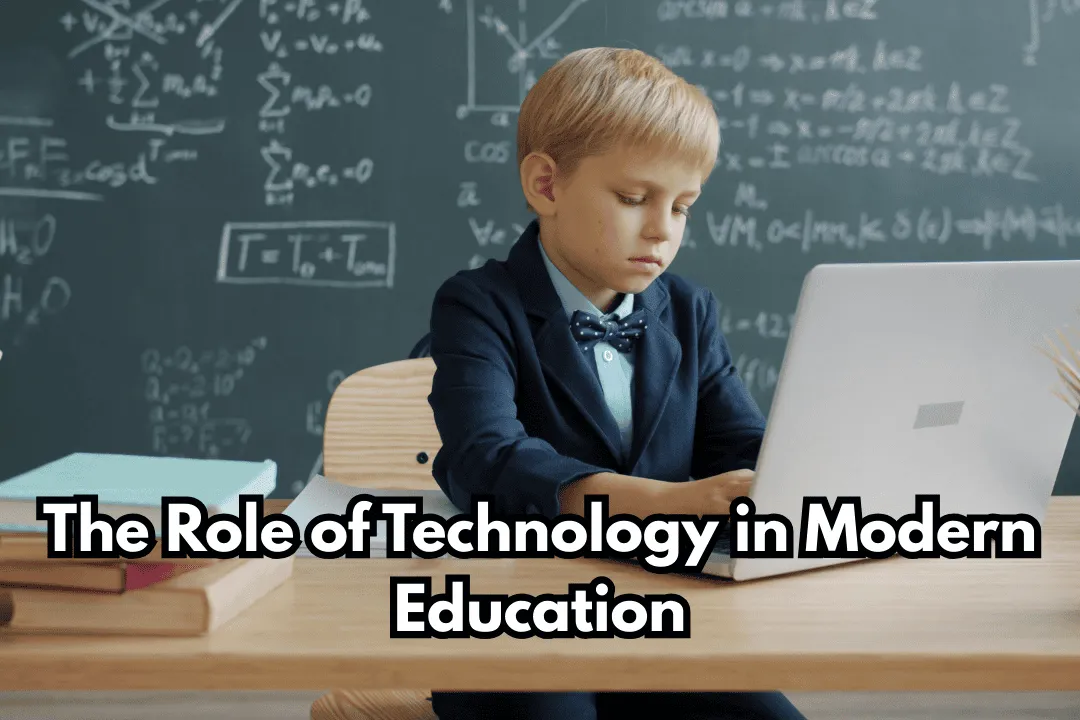
Technology has significantly transformed many areas of human life, and education is one of the fields that has experienced the most remarkable change. In the past, education mainly relied on traditional classrooms, textbooks, and face-to-face interaction between teachers and students. While these methods are still important, modern technology has introduced new ways of learning that make education more accessible, interactive, and efficient.
Today, students can access learning materials through computers, smartphones, and online platforms. Digital technology allows teachers to present lessons in more engaging ways and enables students to learn at their own pace. As technology continues to evolve, its role in education becomes even more significant.
Technology Makes Learning More Accessible
One of the biggest advantages of technology in education is accessibility. In the past, students needed to attend physical classes to receive education. Today, online platforms allow students to access educational content from anywhere in the world.
Students who live in remote areas or have limited access to schools can now participate in online classes and access digital libraries. This has helped millions of learners gain knowledge that would otherwise be difficult to obtain.
Digital Learning Resources
Technology has introduced a wide range of digital learning resources. Educational videos, online courses, digital textbooks, and interactive simulations allow students to explore subjects in a more engaging way.
These resources help students understand complex topics more easily. For example, scientific concepts can be demonstrated through animations and visual simulations that make learning more effective.
Improved Student Engagement
Traditional teaching methods often relied on lectures and textbook reading. While these methods are still useful, they may not always capture students’ attention. Technology helps create interactive learning environments that encourage participation.
Interactive presentations, online quizzes, and multimedia lessons make learning more engaging. Students are more likely to stay focused when educational content includes visual and interactive elements.
Online Learning Platforms
Online learning platforms have become extremely popular in recent years. Many universities, schools, and training institutions now offer courses through digital platforms.
These platforms allow students to learn new skills, attend virtual classes, and access educational materials whenever they want. This flexibility allows individuals to balance education with work and other responsibilities.
Collaboration and Communication
Technology also improves communication between students and teachers. Online discussion forums, video conferencing tools, and messaging platforms allow learners to ask questions and participate in group discussions.
Collaborative tools help students work together on projects even when they are located in different places. This encourages teamwork and improves communication skills.
Personalized Learning
Another major benefit of technology in education is personalized learning. Digital learning systems can adapt to the individual needs of each student. Some educational software analyzes student performance and adjusts lessons accordingly.
This allows students to learn at their own pace and focus more on areas where they need improvement.
Access to Global Knowledge
Technology connects students to knowledge from around the world. Online resources allow learners to explore research papers, educational videos, and lectures from international universities.
This global access helps students gain diverse perspectives and stay updated with the latest developments in different fields of study.
Improved Teaching Methods
Technology has also changed the way teachers deliver lessons. Digital tools allow educators to create presentations, videos, and interactive materials that enhance classroom learning.
Teachers can also track student progress through digital assessment systems, making it easier to identify areas where students may need additional support.
Challenges of Technology in Education
Despite its many advantages, technology in education also presents certain challenges. Reliable internet access and digital devices are necessary for effective online learning. Not all students have equal access to these resources.
Another challenge is maintaining focus during online classes. Students may face distractions from social media and other online activities. Therefore, it is important to develop discipline and proper study habits when using digital learning tools.
The Future of Technology in Education
The future of education will likely involve even more advanced technologies. Artificial intelligence, virtual reality, and augmented reality are already being explored as tools for improving learning experiences.
These technologies can create immersive educational environments that allow students to explore subjects in new and exciting ways.
Conclusion
Technology has become an essential part of modern education. It has improved accessibility, engagement, and learning opportunities for students around the world. Digital tools allow learners to access information, collaborate with others, and develop important skills needed for the future.
Although challenges remain, the benefits of technology in education are significant. As technology continues to evolve, it will play an increasingly important role in shaping the future of learning.