

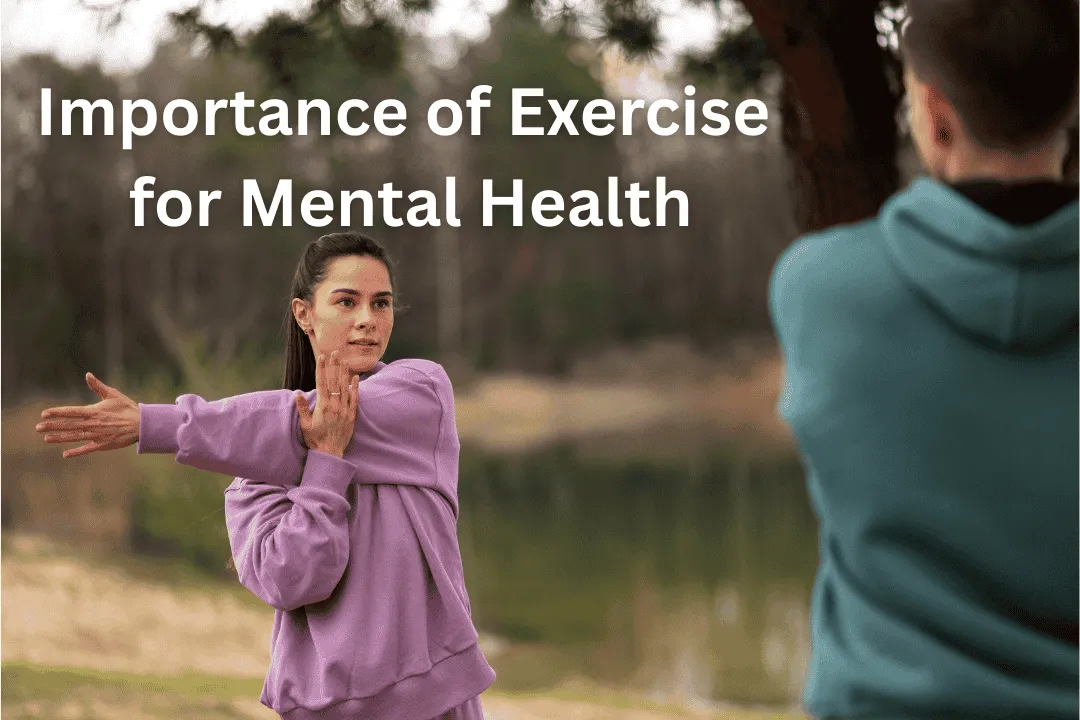
Exercise is often associated with physical fitness and weight management, but its benefits go far beyond improving the body. Regular physical activity also plays a major role in maintaining strong mental health. In today’s busy and stressful world, many people experience anxiety, mood swings, and mental fatigue. One of the simplest and most effective ways to improve mental well-being is through regular exercise.
Exercise helps the brain release natural chemicals that improve mood and reduce stress. It also improves sleep quality, boosts confidence, and increases energy levels. Even small amounts of daily physical activity can make a noticeable difference in mental health.
Exercise Helps Reduce Stress
Stress is a common problem in modern life. Work pressure, personal responsibilities, and financial concerns can create constant mental tension. When stress builds up over time, it can negatively affect both physical and emotional health.
Exercise helps the body release endorphins, which are natural chemicals that improve mood and reduce stress levels. Activities such as walking, jogging, cycling, or yoga allow the mind to relax and release tension.
Many people notice that after exercising, they feel calmer and more relaxed. This is because physical activity helps the body manage stress more effectively.
Improves Mood and Emotional Balance
Exercise is known to improve mood naturally. Physical activity increases the production of serotonin and dopamine, two important brain chemicals that influence happiness and emotional balance.
People who exercise regularly often feel more positive and emotionally stable. Exercise can help reduce feelings of sadness, frustration, and irritability.
Even a short 20-minute walk outdoors can improve mood and provide mental refreshment.
Helps Reduce Anxiety
Anxiety can make it difficult for individuals to relax or focus on daily tasks. Exercise is one of the most effective natural ways to reduce anxiety.
When people engage in physical activity, their breathing becomes deeper and more controlled. This helps calm the nervous system and reduce feelings of panic or worry.
Regular exercise can gradually train the body to handle stress more effectively and improve overall emotional stability.
Boosts Self-Confidence
Physical activity can also improve self-confidence and self-image. When people exercise regularly, they often notice improvements in strength, energy, and overall physical health.
These positive changes help individuals feel better about themselves. Achieving small fitness goals also builds a sense of accomplishment and motivation.
As confidence grows, people may feel more capable of handling daily challenges.
Improves Sleep Quality
Sleep and mental health are closely connected. Many people struggle with sleep problems due to stress, overthinking, or lack of physical activity.
Exercise helps regulate the body’s internal clock and improves sleep quality. Physical activity uses energy during the day, allowing the body to relax more easily at night.
People who exercise regularly often fall asleep faster and experience deeper sleep.
Enhances Brain Function
Exercise improves blood circulation throughout the body, including the brain. Increased blood flow provides the brain with more oxygen and nutrients, which supports cognitive function.
This can improve memory, concentration, and problem-solving abilities. Students and professionals who stay physically active often find it easier to focus on tasks and maintain productivity.
Encourages Social Interaction
Many forms of exercise involve social interaction. Activities such as group fitness classes, sports, or walking with friends create opportunities for positive social connections.
Spending time with others during physical activity can reduce feelings of loneliness and improve emotional well-being.
Social support is an important factor in maintaining strong mental health.
Provides a Healthy Routine
Exercise encourages structure and routine in daily life. When individuals set aside time for physical activity, they develop discipline and consistency.
A structured routine helps reduce chaos and improves overall life balance. Regular exercise also encourages other healthy habits such as proper sleep and balanced nutrition.
Supports Long-Term Mental Health
Maintaining mental health requires ongoing care and attention. Exercise provides long-term support for emotional stability and psychological well-being.
Research has shown that people who remain physically active throughout life may have a lower risk of depression and certain cognitive disorders.
Exercise acts as a natural tool for protecting both mental and physical health.
Conclusion
Exercise is not only important for maintaining physical fitness but also for supporting mental well-being. From reducing stress and anxiety to improving mood, confidence, and sleep quality, regular physical activity provides powerful mental health benefits.
Even simple activities such as walking, stretching, or light workouts can make a positive difference. By incorporating exercise into daily routines, individuals can build stronger mental resilience and maintain a healthier lifestyle.
In a world filled with stress and constant demands, exercise offers a simple and natural way to maintain balance and emotional well-being.