
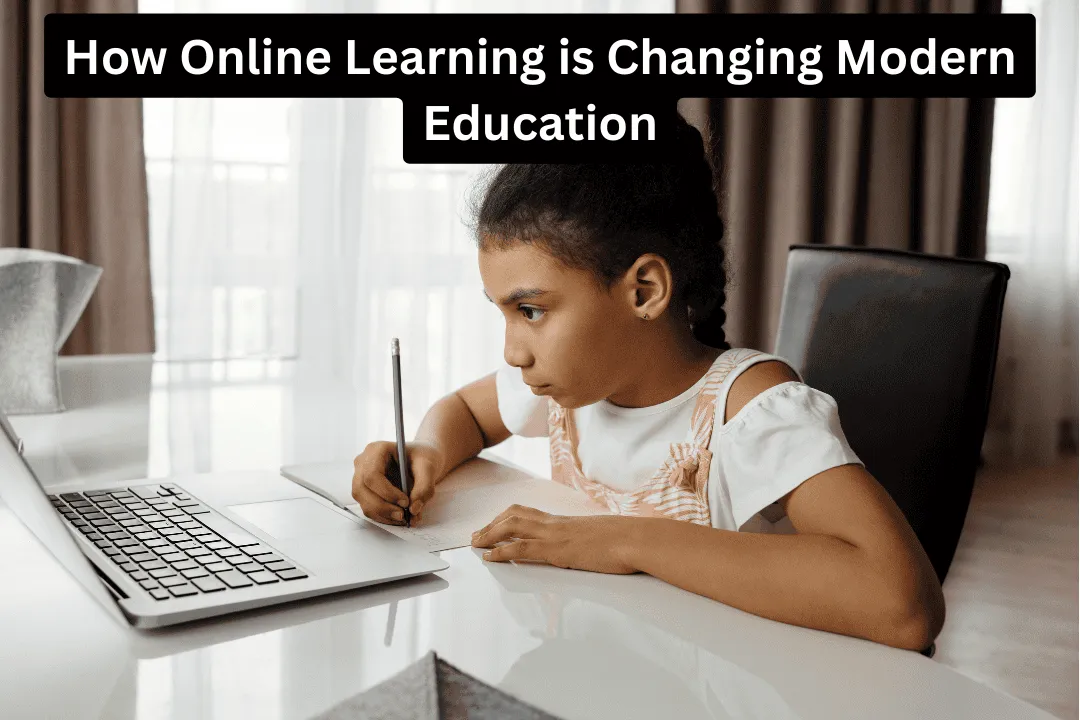
Education has evolved significantly over the past few decades, especially with the growth of digital technology. One of the biggest changes in modern education is the rise of online learning. Today, students can access educational content from anywhere in the world using smartphones, laptops, and internet connections.
Online learning has transformed the traditional classroom experience by making education more flexible and accessible. Students no longer need to depend only on physical classrooms to gain knowledge. With the help of online platforms, video lessons, digital resources, and interactive tools, learning has become more convenient and efficient.
This shift toward digital education has created new opportunities for students, teachers, and professionals who want to continue learning throughout their lives.
What is Online Learning?
Online learning refers to the process of gaining knowledge and skills through digital platforms on the internet. Instead of attending classes in physical classrooms, students can participate in courses through virtual learning environments.
Online learning platforms often provide video lectures, reading materials, assignments, quizzes, and discussion forums. These tools help students interact with instructors and other learners while studying remotely.
Many universities, schools, and independent educators now offer online courses that cover a wide range of subjects, including technology, business, science, language learning, and personal development.
Accessibility and Convenience
One of the biggest advantages of online learning is accessibility. Students from different locations can access educational content without the need to travel long distances. This is particularly beneficial for individuals living in remote areas where educational resources may be limited.
Online education also allows students to learn at their own pace. Many courses provide recorded lectures that can be watched multiple times. This flexibility helps students understand complex topics more effectively.
Flexible Learning Schedule
Traditional classroom education often follows fixed schedules. In contrast, online learning provides flexibility that allows students to choose when and how they want to study.
This flexibility is especially useful for working professionals who want to upgrade their skills while maintaining their jobs. Online learning allows them to balance work responsibilities with educational goals.
Students can organize their study time according to their daily routines and learning preferences.
Access to Global Knowledge
The internet has made it possible for students to learn from experts and educators around the world. Online platforms provide courses from universities, professionals, and organizations that share their expertise globally.
This access to global knowledge allows students to learn new perspectives and gain insights from different cultures and industries. It also helps learners stay updated with the latest developments in their chosen fields.
Interactive Learning Tools
Modern online learning platforms use interactive tools that make learning engaging and effective. Video lectures, animations, quizzes, and interactive discussions help students better understand complex concepts.
Some platforms also include virtual labs, simulations, and collaborative projects that allow students to apply theoretical knowledge in practical situations.
These interactive elements create a more engaging learning experience compared to traditional lecture-based education.
Cost-Effective Education
Online learning is often more affordable than traditional classroom education. Students can save money on transportation, accommodation, and printed materials.
Many online platforms also provide free educational resources and low-cost courses. This allows individuals from different financial backgrounds to access quality education.
Affordable learning opportunities help promote education for a wider population.
Improving Digital Skills
Participating in online education helps students develop important digital skills. These skills include using digital communication tools, navigating online platforms, managing digital files, and collaborating in virtual environments.
Digital literacy has become an essential skill in modern workplaces. Students who are comfortable with digital tools are better prepared for future career opportunities.
Challenges of Online Learning
Although online learning offers many benefits, it also presents certain challenges. One common challenge is maintaining discipline and motivation while studying independently.
Without a structured classroom environment, some students may struggle with time management and self-motivation. Additionally, reliable internet access and suitable digital devices are necessary for effective online learning.
However, with proper planning and commitment, many of these challenges can be overcome.
The Future of Education
Online learning is expected to continue growing as technology advances. Educational institutions are increasingly integrating digital learning tools into their teaching methods.
Hybrid learning models that combine traditional classroom education with online learning are becoming more popular. These models provide the benefits of both in-person interaction and digital flexibility.
As technology continues to evolve, education will likely become more personalized, interactive, and accessible.
Conclusion
Online learning has become an important part of modern education. It offers flexibility, accessibility, and opportunities for individuals to continue learning throughout their lives.
By providing access to global knowledge and digital learning tools, online education has transformed how students gain knowledge and develop new skills.
Although traditional classrooms remain valuable, the integration of online learning has created a more dynamic and inclusive educational system. As technology continues to improve, online education will play an even greater role in shaping the future of learning.